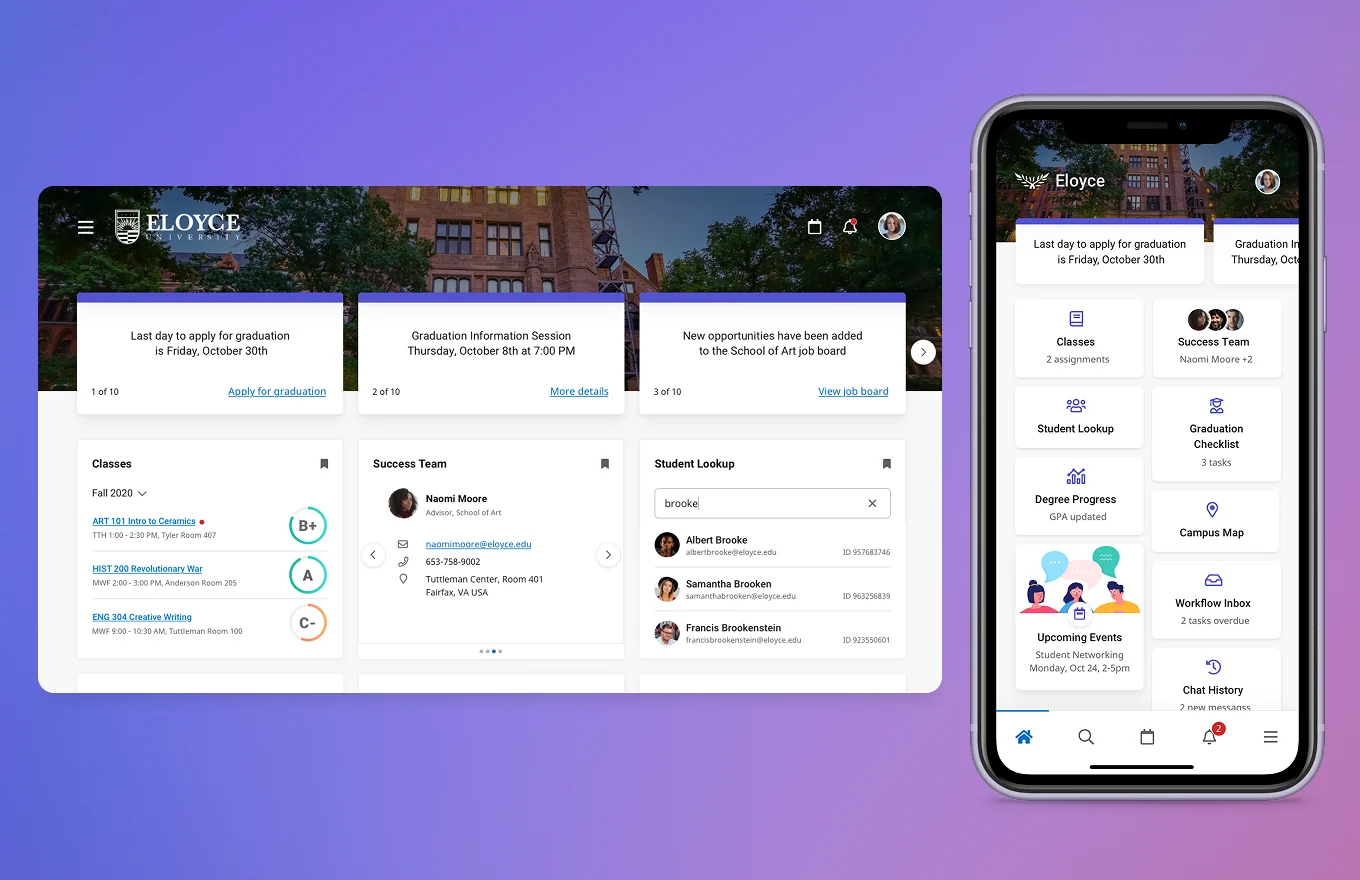
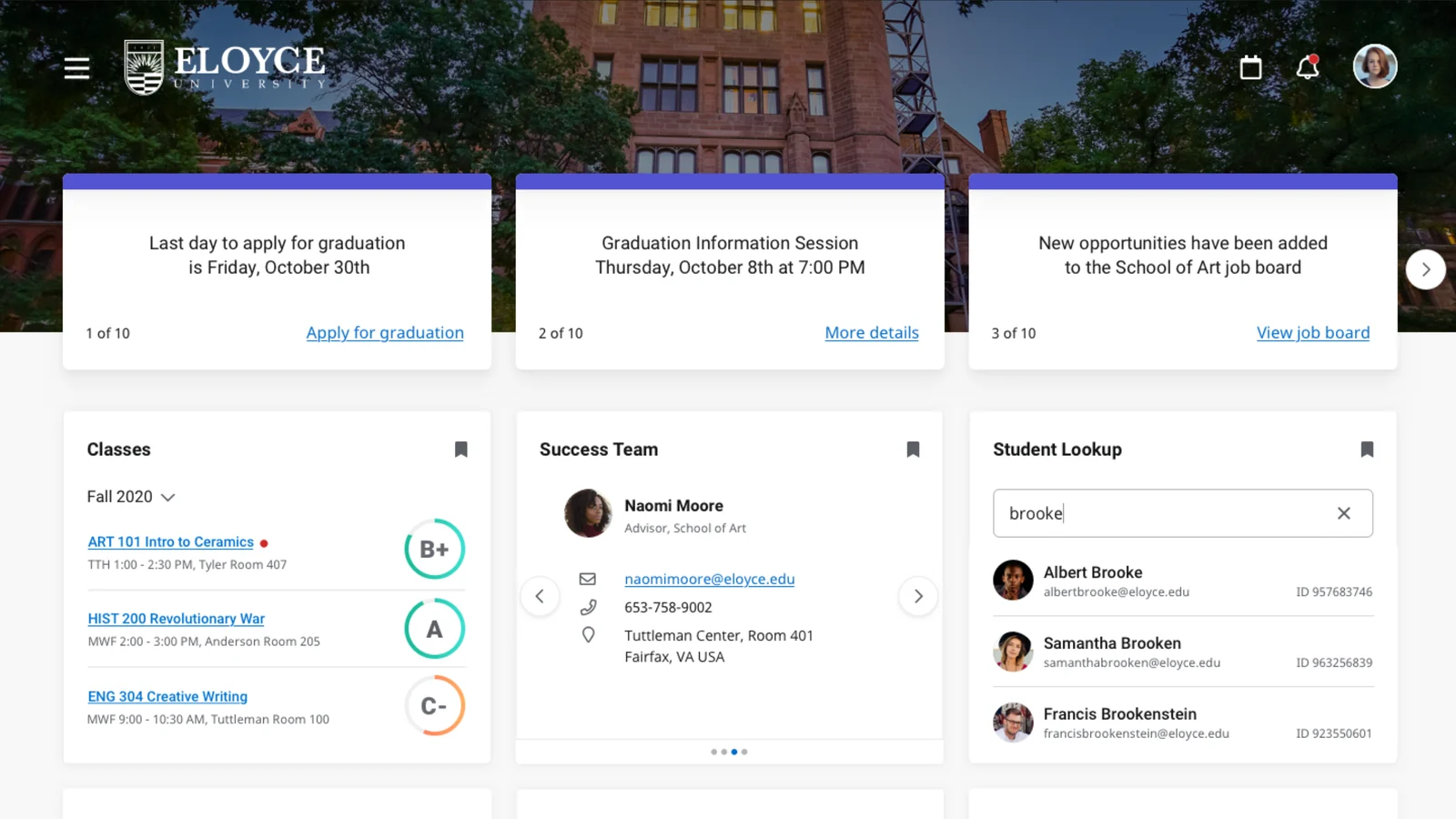
Ellucian Experience (now Central Workspace) surfaces an institution's higher education content all in one place: a dashboard uniquely personalized to each user, connecting them to their campus while staying on track to their goals.
Legacy higher education portals are an overwhelming sea of unorganized links hosted on-premises, making it difficult to find critical information, keep pace with modern UX, or update content without engineering code.
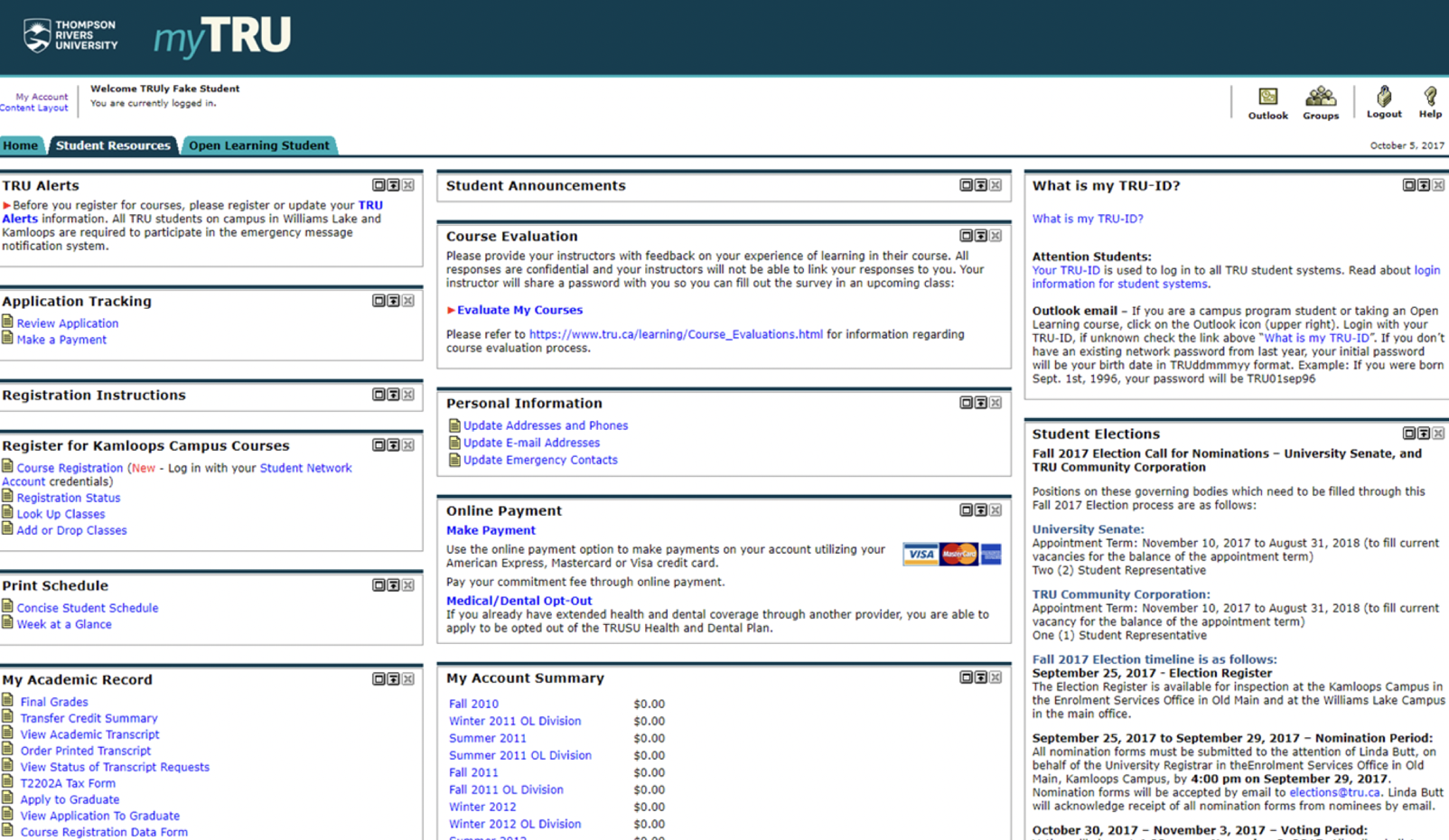
The Business Goals: Move institutions onto a cloud-first SaaS platform, transition all customers off legacy systems by 2024, and consolidate a fragmented product suite into one unified platform managed in a single place.




(Persona needs were validated through diary studies, journey maps, surveys, usability testing, and design sprints with development partner groups.)
Early releases allowed end users to add and size cards freely, which unintentionally recreated the visual chaos of the legacy portals we were replacing. Observing this breakdown across real institutions at scale drove a major strategic shift:
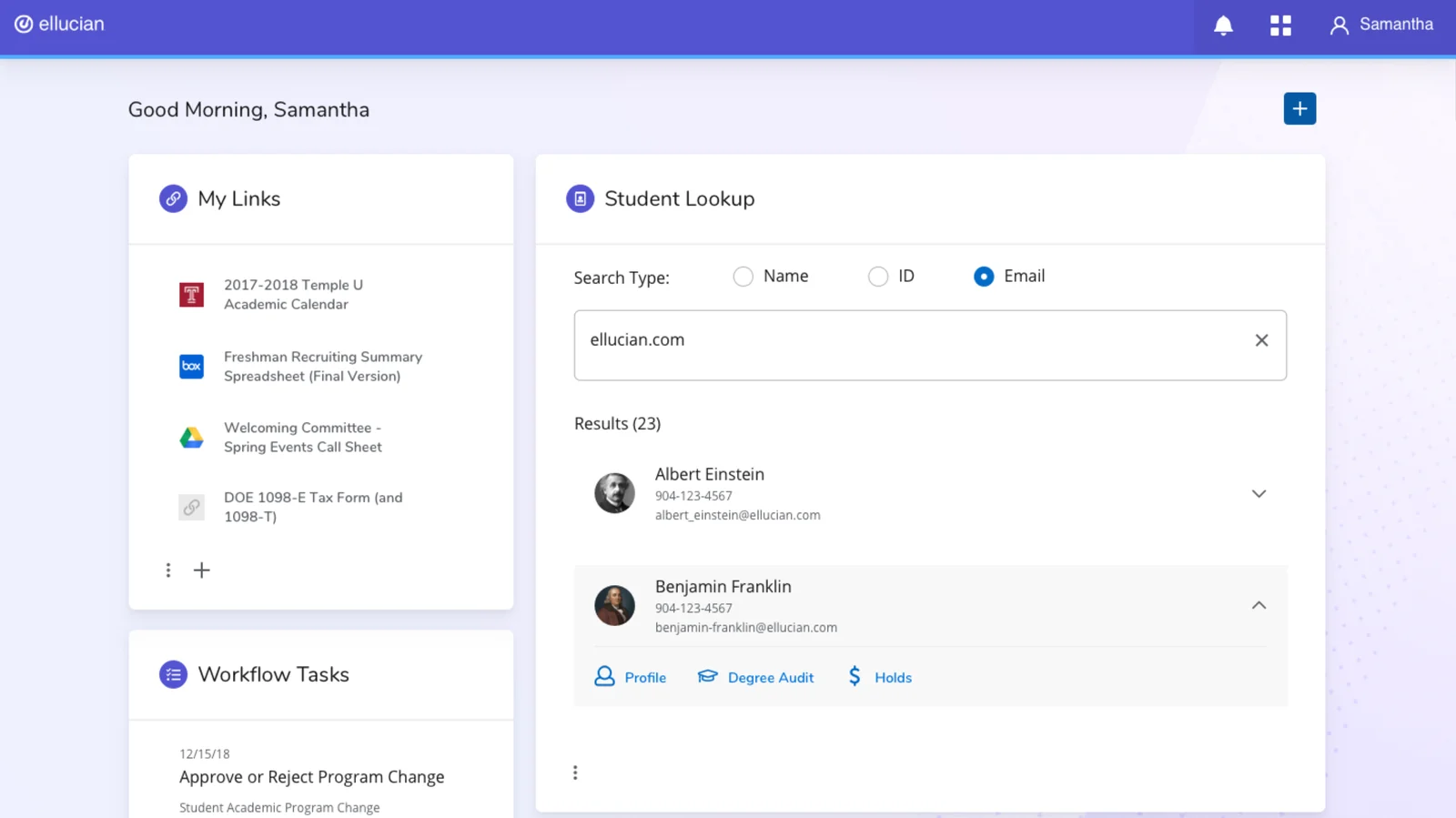
Unlimited card sizing, visual chaos, end-user card creation, old design system components, Ellucian-only data, and poor scalability across 2,700+ institutions.
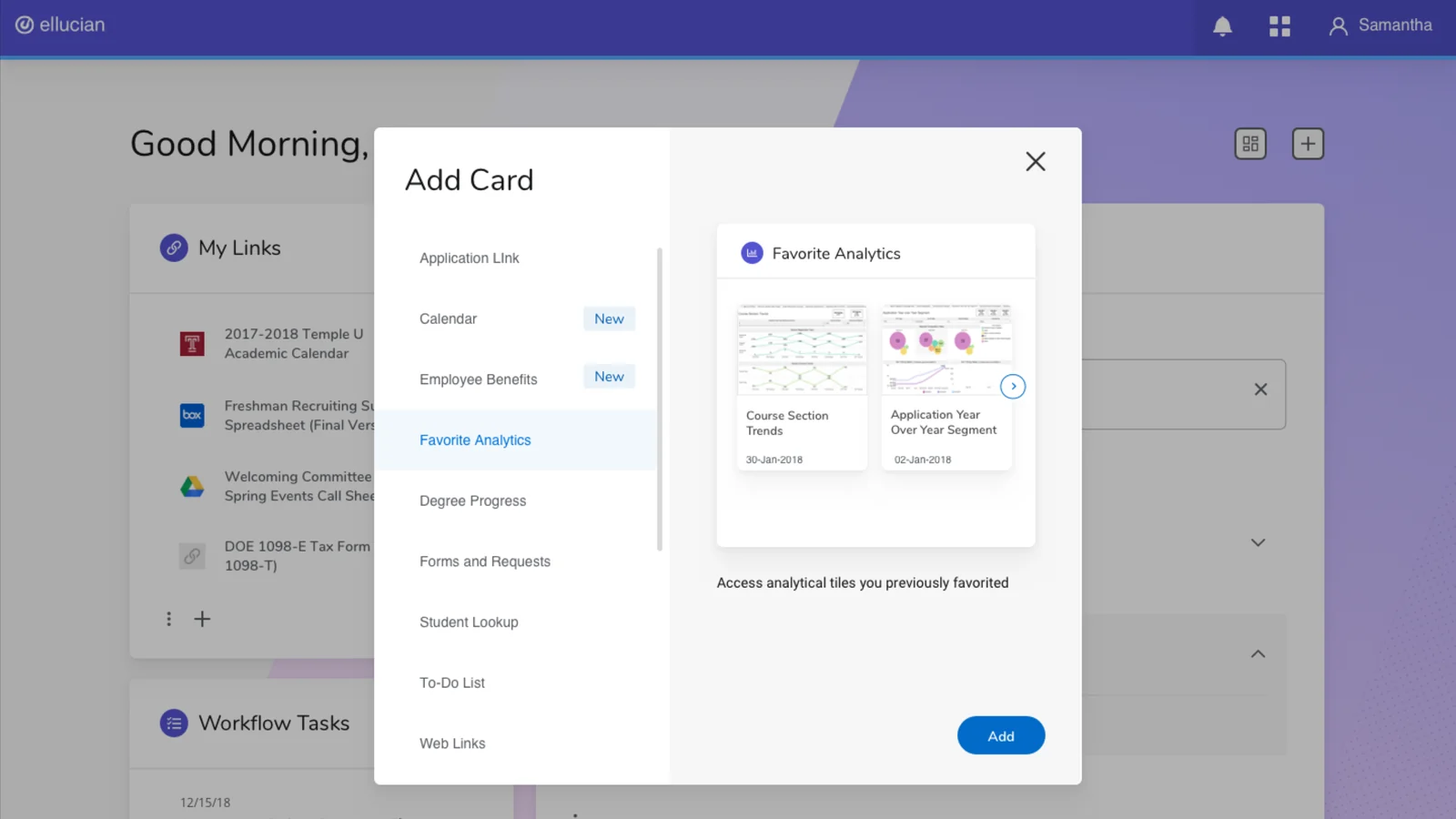
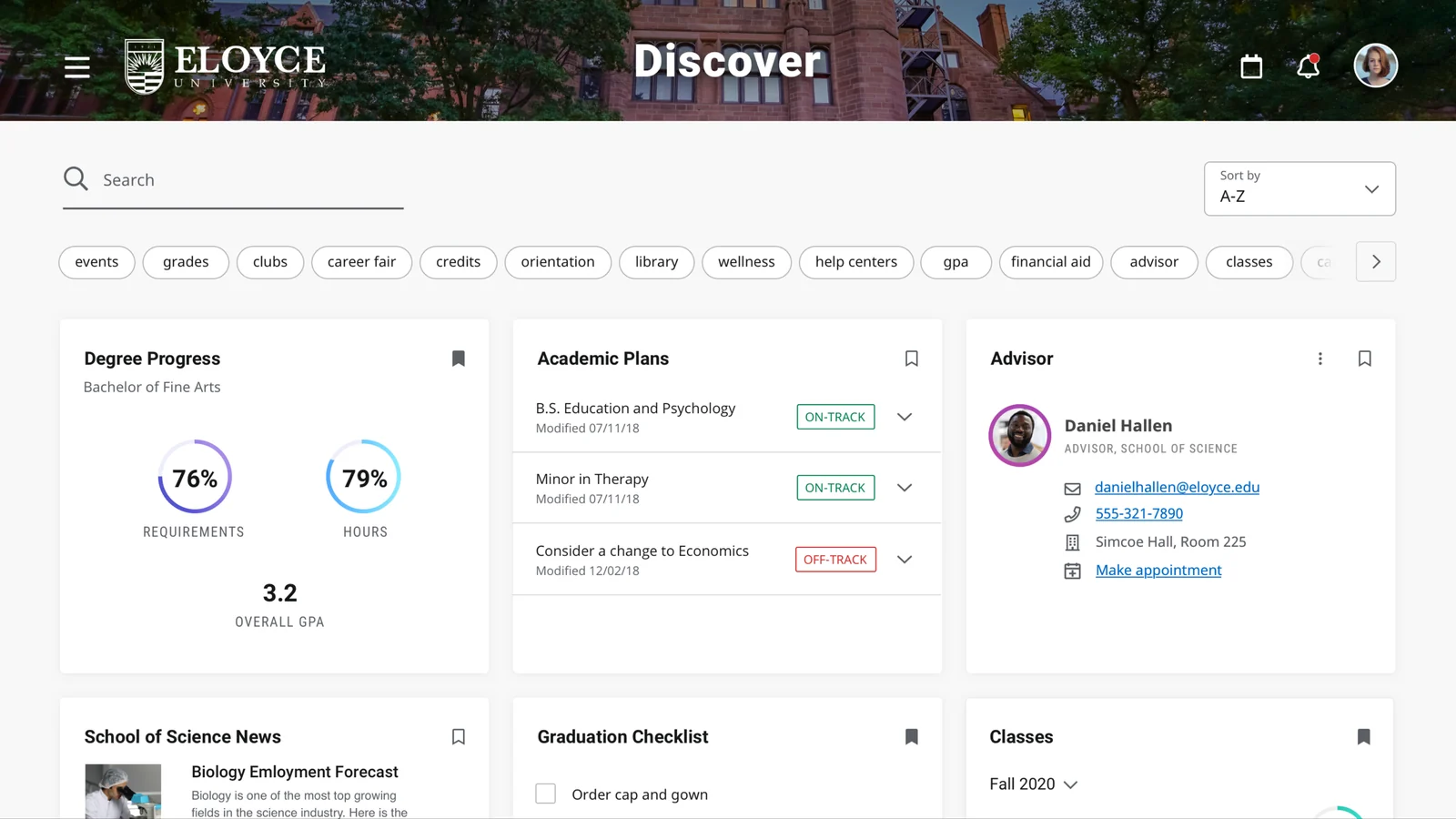
Fixed card heights for a scannable layout, admin-controlled configurations, an updated design system, support for Ellucian plus third-party data, and role-based personalization.
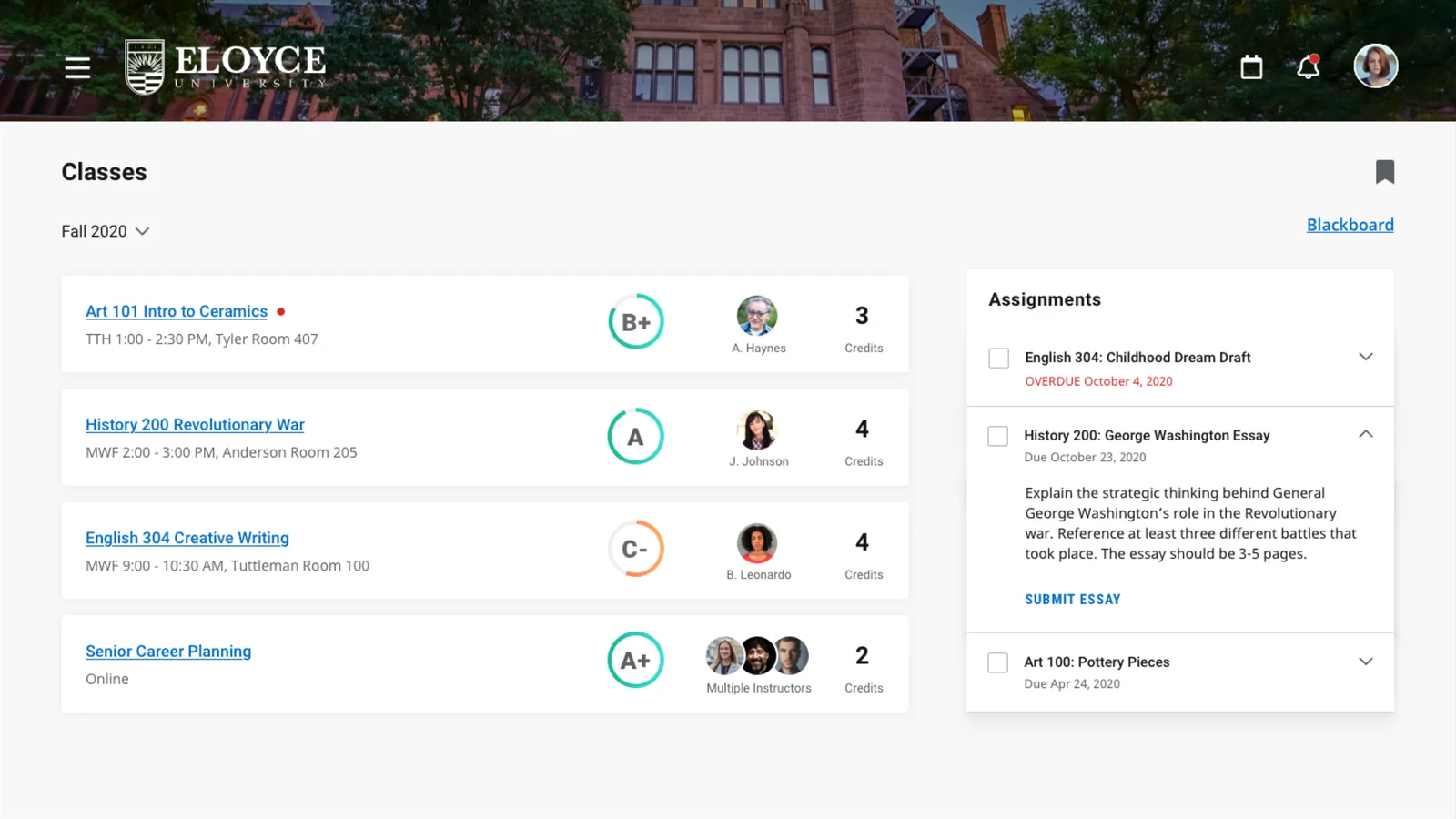
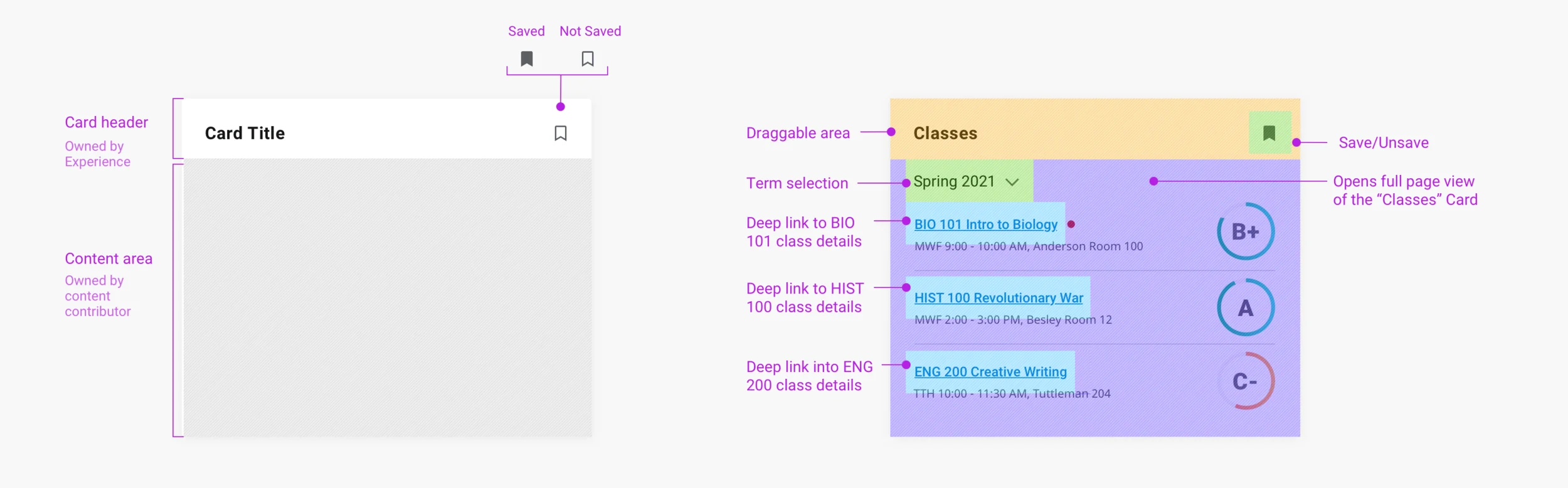
Four core decisions carried that shift: admin-controlled cards so schools could configure without engineering support, role-based personalization with light drag-and-drop customization, fixed card heights, and card sub-pages that brought information directly to users instead of sending them away to external links.
I was responsible for designing the core platform containing cards, pages, announcements, notifications, alerts, and admin configurations that remained responsive from desktop to mobile.
Working on a team of 2 UX designers, 7 engineers, 1 PM, and 2 QA, we moved through an iterative Empathize, Define, Ideate, Prototype, and Test process supported by sprint ceremonies, UX office hours, and weekly stakeholder syncs.
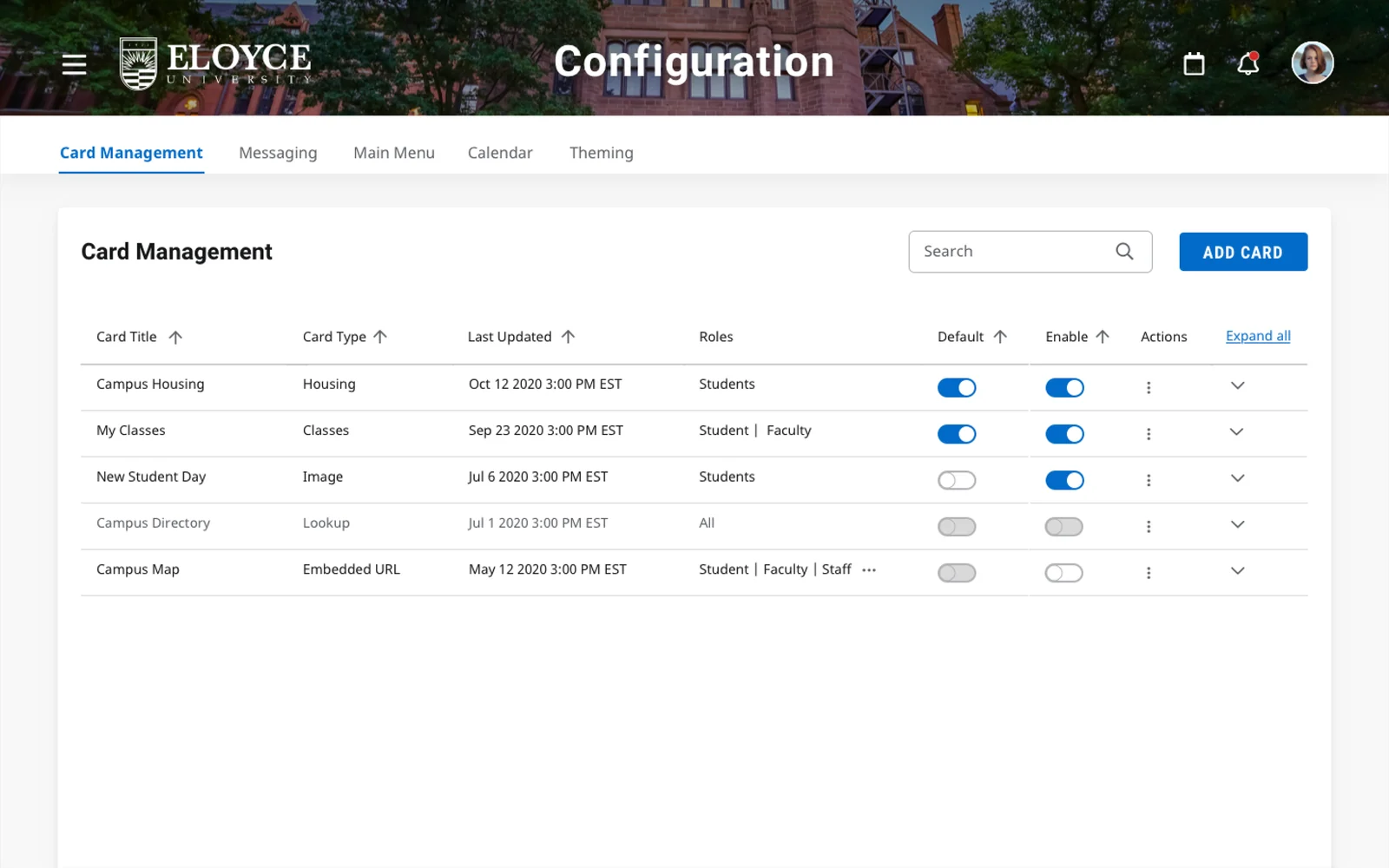
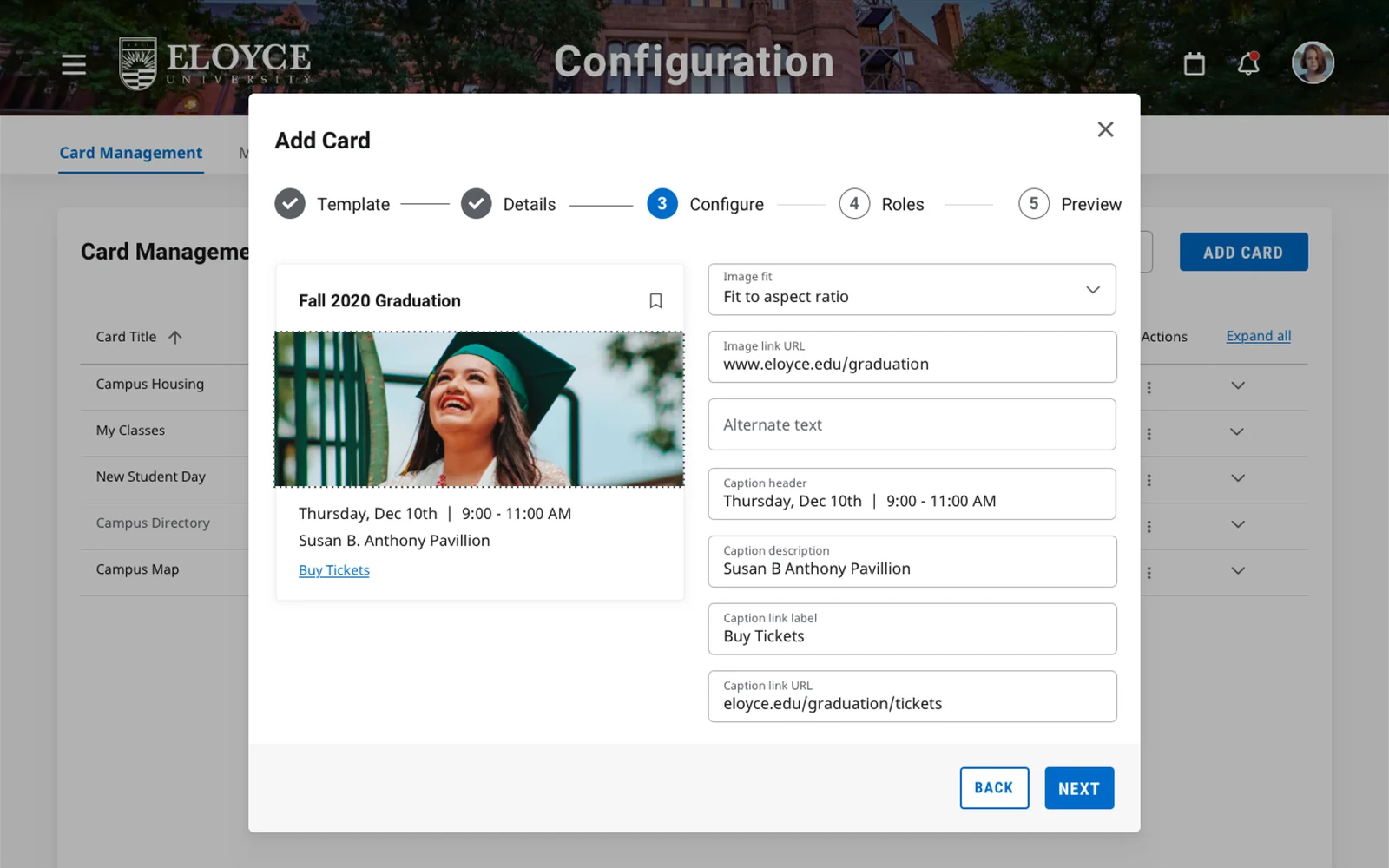
Admin tools, responsive across desktop and mobile:
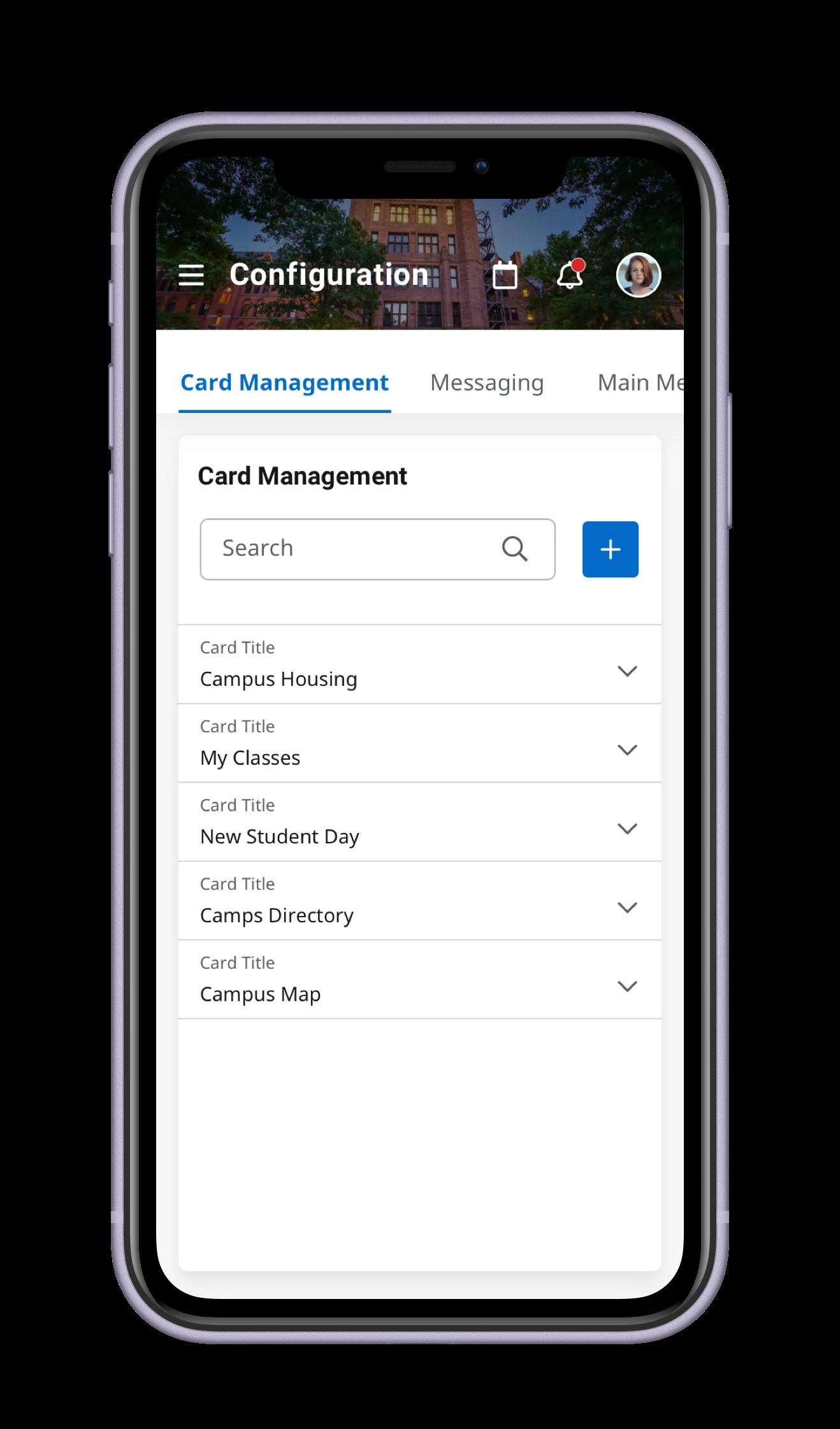
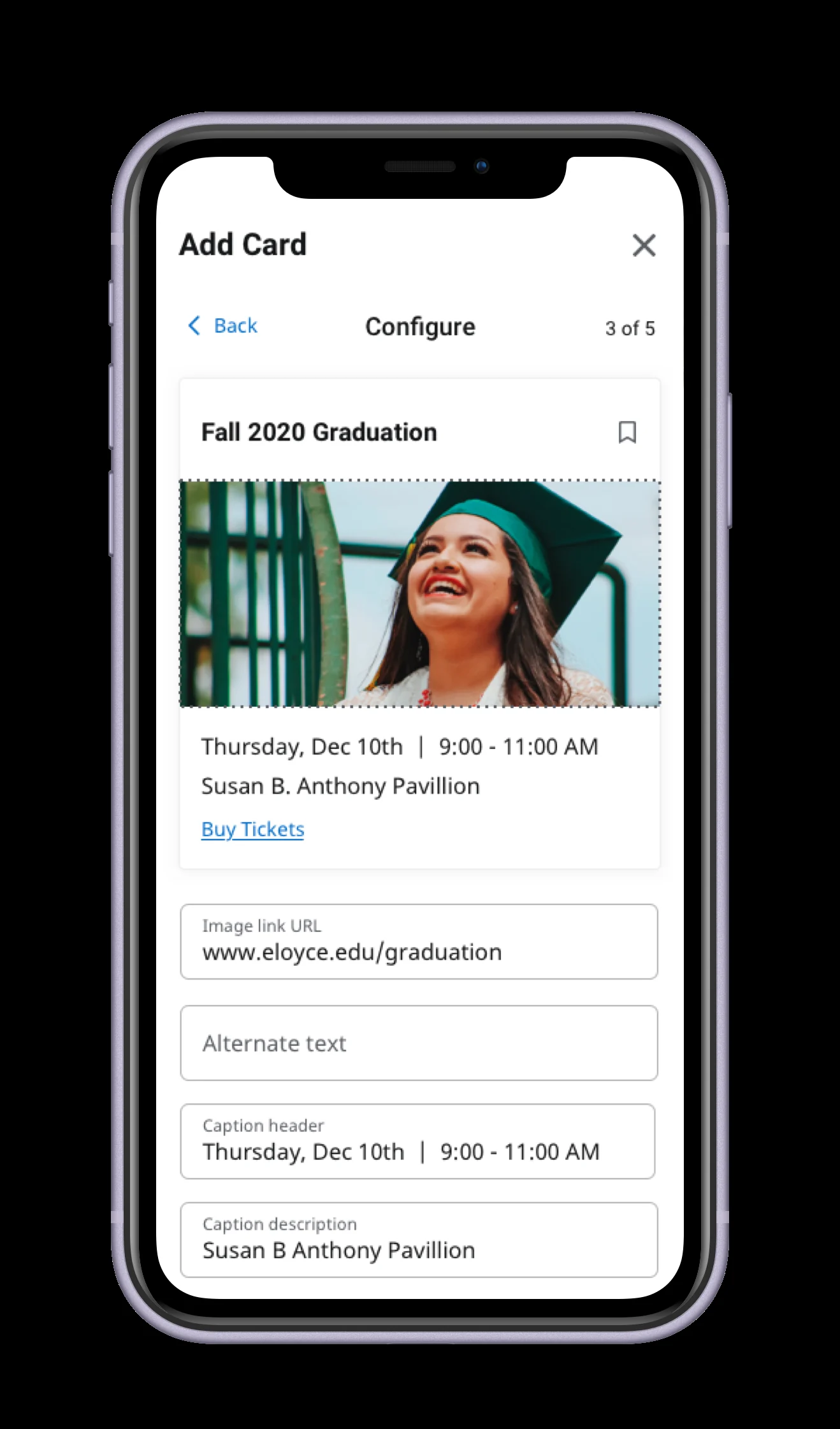
Mobile app concepts:
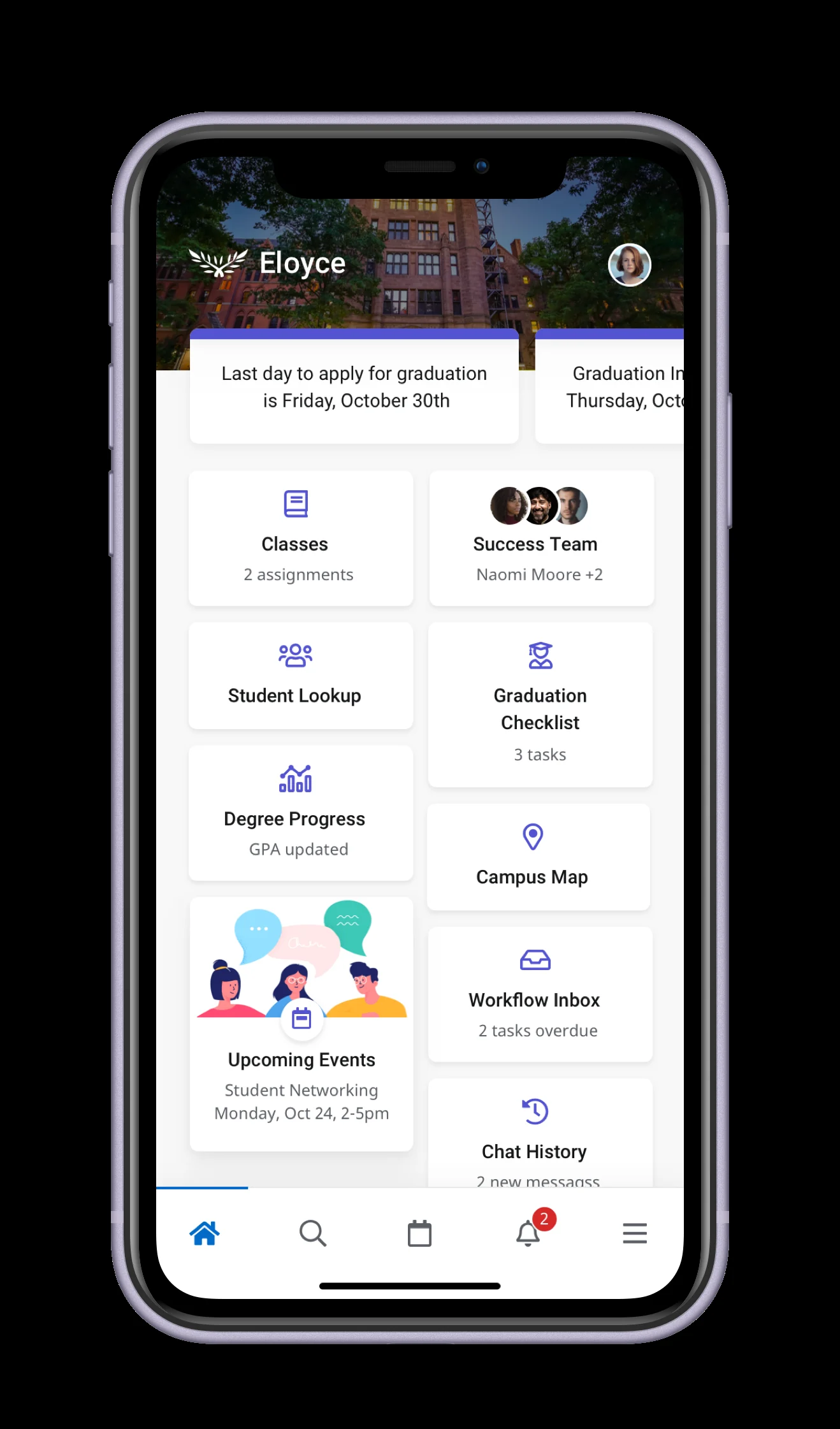
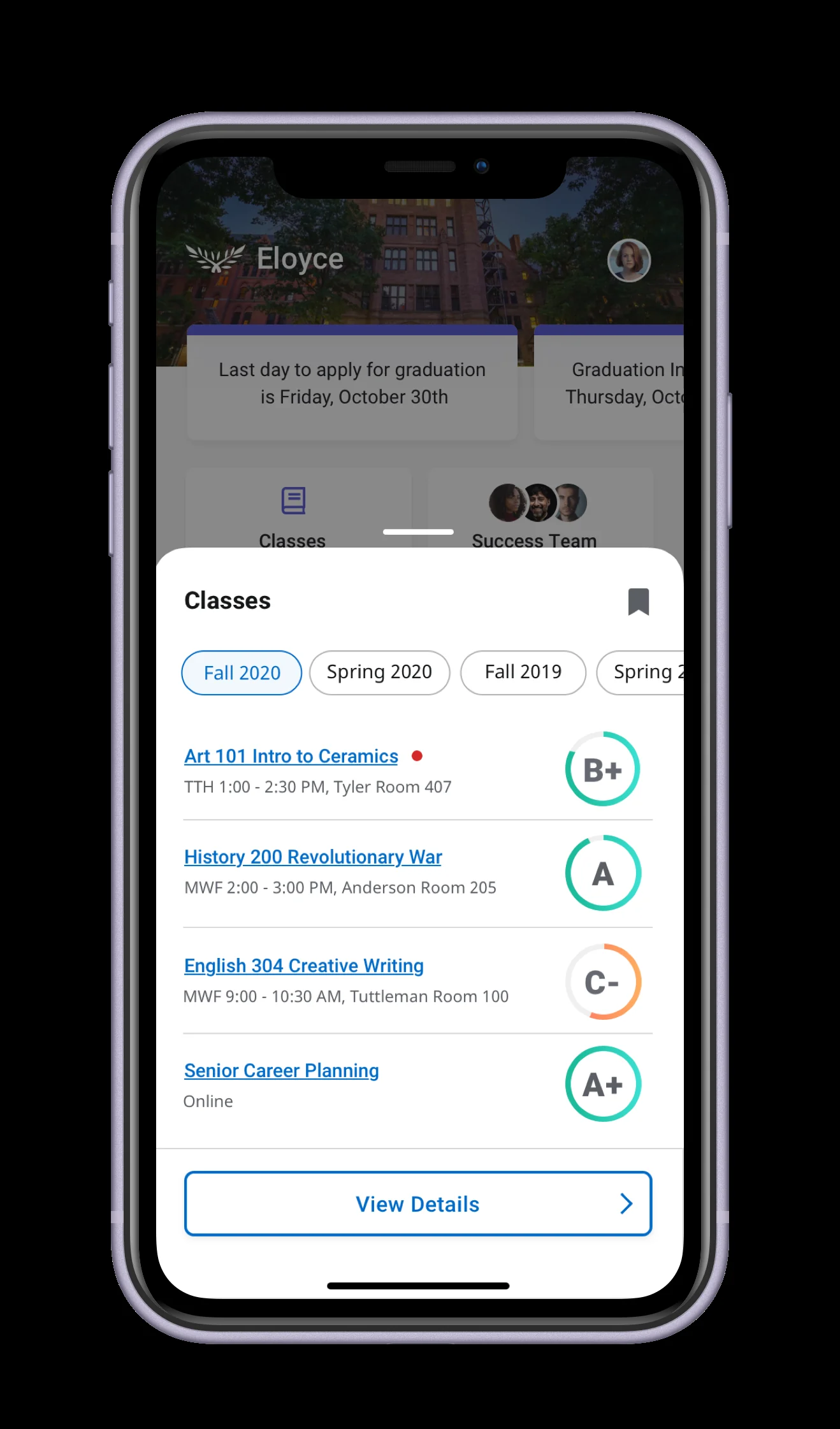
Aggregating content from numerous services required unifying visual styling, interactions, and microcopy. I collaborated closely with our design system team to:
The platform's cards successfully pulled live data from across Ellucian's ecosystem, including ILP, Banner ERP, Colleague ERP, and DegreeWorks.
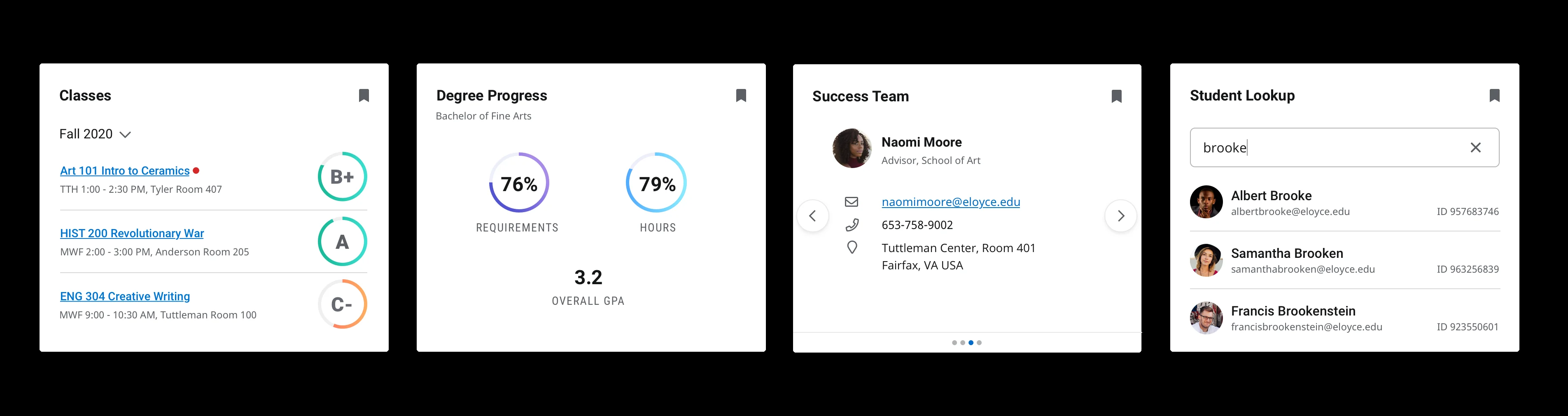
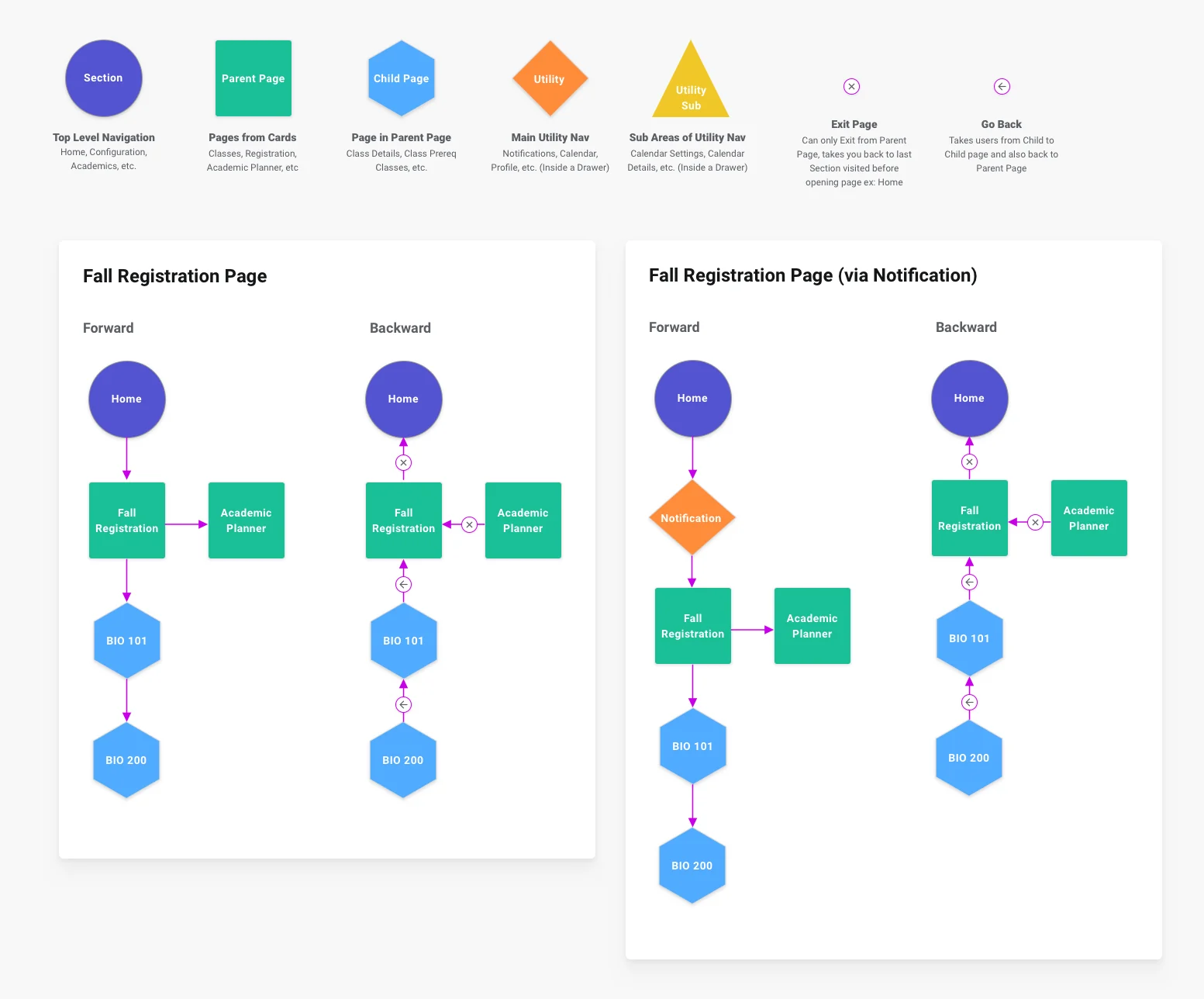
After years of development, Experience launched globally in Spring 2021 and was named the EdTech Breakthrough Award Winner for Deployment of the Year (2021).
"I feel like it's a way for me to organize every aspect of my school life in one place, instead of having to jump from database to database."
Driving cross-functional alignment through weekly syncs and agile ceremonies; conducting upfront research and surveys; contributing reusable components to the design system.
Engaging in earlier tech discovery to prevent design from outpacing engineering build capabilities; driving more post-launch iterative research; deepening early involvement in business metrics and legacy landscape analysis.
The platform launched in Spring 2021 and is now called Central Workspace. It has scaled enormously since, and the model we designed is still what it runs on: admin-configured cards, role-based personalization, and one platform an institution manages in a single place.
Ellucian's published figures for Central Workspace today:
That is more than 200x growth on the foundation we launched. I left Ellucian in October 2021, so the teams who carried it forward earned that scale. But a 0→1 platform architecture that holds up under it, without being rebuilt, is the result I am proudest of.
This is the project where I learned that platform design is about the constraints you set, not the screens you draw. Watching an early, unrestricted version recreate the exact chaos we were trying to replace taught me more than any research artifact could, especially when balancing the simplicity end users needed against the absolute control administrators required. The shift that followed became the architecture the product still runs on today. Spending four years on a single 0 to 1 platform also taught me patience with systems work, because the decisions that matter most are rarely the ones anyone ever sees.